
Interior design plays a defining role in the creation of custom luxury homes. While architecture establishes the structure and layout of a home, interior design transforms that structure into a personalized, comfortable, and visually harmonious living environment. In high-end residential construction, the integration of interior design from the earliest planning stages helps ensure that every element—from furniture and lighting fixtures to materials and color palettes—works together to create a cohesive living experience.
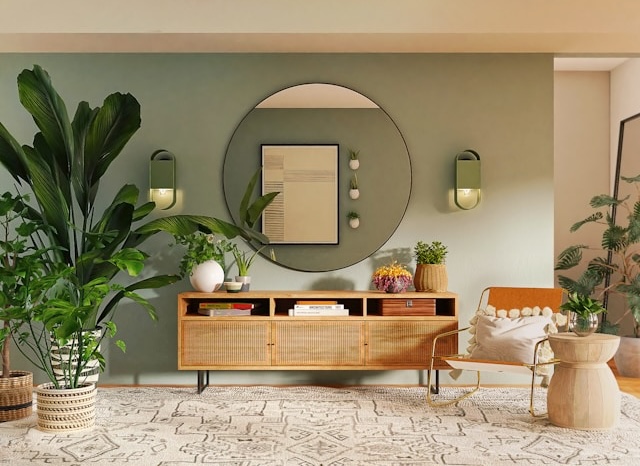
For homeowners investing in luxury home construction, interior design is more than decoration. It is a strategic process that influences functionality, aesthetics, comfort, and long-term property value. By carefully coordinating interior architecture, furniture design, lighting plans, and material selections, designers create spaces that reflect the homeowner’s lifestyle while maintaining a refined and unified design language.
Understanding Interior Design in Luxury Homes
Interior design in custom luxury homes involves the thoughtful planning of interior spaces to achieve both beauty and functionality. Unlike standard home decoration, luxury interior design is integrated with the architectural design and construction process. This collaboration ensures that every room supports the home’s overall vision.
Professional interior designers work alongside architects, builders, and homeowners to plan the interior environment in detail. This includes determining the best layout for living areas, selecting premium materials, designing custom furniture pieces, planning lighting systems, and creating cohesive color schemes.
Luxury homes often include expansive open floor plans, high ceilings, custom millwork, and large windows that introduce natural light. Interior designers must balance these architectural features with carefully chosen furnishings and design elements to maintain a sense of balance and elegance.
The Importance of a Cohesive Design Vision
One of the most important goals of interior design in luxury homes is achieving a cohesive design vision. A cohesive home feels unified and intentional, where every room flows naturally into the next while still maintaining its own purpose and character.
Without thoughtful planning, a home can feel disjointed, with clashing styles or inconsistent design elements. Cohesion ensures that architectural features, materials, textures, and furnishings complement each other throughout the property.
Designers typically establish a central theme or design direction early in the process. This theme guides decisions about materials, finishes, lighting fixtures, furniture, and color palettes. Whether the style leans toward modern minimalism, transitional elegance, coastal luxury, or classic European inspiration, consistency ensures that every space contributes to the overall atmosphere of the home.
Integrating Interior Design with Architecture
In custom luxury home construction, interior design works closely with architectural planning. When interior designers are involved early in the project, they can help influence important architectural decisions such as room layouts, window placement, ceiling treatments, and built-in features.
For example, the positioning of large windows affects natural lighting, which in turn influences color selection and furniture placement. Similarly, ceiling height and architectural details like beams or coffers can determine the scale of lighting fixtures and furnishings.
Designers also collaborate with architects to create built-in cabinetry, feature walls, custom shelving, and architectural focal points. These elements contribute to a seamless integration between the home’s structure and its interior environment.
Furniture Design and Spatial Planning
Furniture selection is a critical component of luxury interior design. High-end homes often feature custom furniture designed specifically for the space. Custom pieces allow designers to achieve the perfect proportions, materials, and style that align with the home’s architecture.
Spatial planning ensures that furniture placement supports both comfort and functionality. Designers carefully consider how residents and guests will move through each space. Living rooms, dining areas, kitchens, and outdoor spaces must allow for comfortable circulation while maintaining an inviting atmosphere.
In luxury homes, furniture is often treated as a form of art. Sculptural seating, statement dining tables, and handcrafted cabinetry can serve as focal points that enhance the overall aesthetic of the home.
Lighting Fixtures and Layered Illumination
Lighting is one of the most influential elements in interior design. In luxury homes, lighting design goes beyond simple functionality. Instead, it is carefully layered to create mood, highlight architectural features, and enhance the visual appeal of interior spaces.
A well-designed lighting plan typically includes three types of lighting:
- Ambient lighting for general illumination
- Task lighting for specific activities such as reading or cooking
- Accent lighting to highlight artwork, architectural details, or decorative elements
Luxury homes often incorporate statement lighting fixtures such as chandeliers, pendant lights, and sculptural installations that act as artistic centerpieces within a room.
Natural light is also an important consideration. Large windows, glass doors, and skylights allow daylight to enhance interior spaces, creating warmth and openness.
Material Selection and Texture
Materials and textures play a crucial role in defining the character of a luxury home. Designers carefully select finishes that contribute to the home’s visual harmony and tactile experience.
Common luxury interior materials include:
- Natural stone such as marble and quartzite
- High-quality hardwood flooring
- Custom cabinetry and millwork
- Premium fabrics and upholstery
- Metal accents in brass, bronze, or stainless steel
Combining different textures—such as soft fabrics, polished stone, warm wood, and matte metals—creates depth and visual interest. The goal is to achieve a layered design that feels both sophisticated and comfortable.
Color Palettes and Emotional Atmosphere
Color has a powerful influence on how a home feels. Interior designers use color palettes strategically to shape the emotional atmosphere of each room.
Luxury homes often feature neutral foundations such as soft whites, warm grays, and natural earth tones. These neutral bases allow statement furniture pieces, artwork, and lighting fixtures to stand out without overwhelming the space.
Accent colors may be introduced through textiles, decorative accessories, and artwork. In bedrooms and private spaces, calming tones promote relaxation, while social spaces such as dining rooms and lounges may incorporate richer hues to create warmth and intimacy.
Consistency in color selection across rooms helps maintain the cohesive design language that defines luxury interiors.
Smart Technology and Modern Living
Modern luxury homes increasingly incorporate smart technology into interior design. Home automation systems can control lighting, climate, security, entertainment, and window treatments through mobile apps or centralized control panels.
Designers must integrate this technology discreetly so that it enhances functionality without disrupting the visual elegance of the home. Hidden speakers, integrated lighting systems, and concealed wiring help maintain clean design lines while delivering modern convenience.
Smart home integration also allows homeowners to personalize their environment, adjusting lighting scenes, temperature settings, and entertainment options with ease.
Indoor-Outdoor Living Spaces
In many luxury homes, the boundary between indoor and outdoor living is intentionally blurred. Large sliding glass doors, covered patios, outdoor kitchens, and poolside lounges create seamless transitions between interior and exterior spaces.
Interior designers often extend the home’s design language into outdoor areas by using complementary furniture, lighting, and materials. Outdoor seating areas, fire features, and landscape lighting contribute to a cohesive living environment that expands beyond the home’s walls.
These outdoor spaces are particularly valuable in warm climates where homeowners can enjoy year-round entertaining and relaxation.
Key Elements of Luxury Interior Design
The following table highlights the major components that contribute to a cohesive interior design strategy in custom luxury homes.
| Design Element | Purpose in Luxury Homes | Impact on Living Experience |
|---|---|---|
| Interior Architecture | Defines spatial layout and built-in features | Creates structural harmony between rooms |
| Furniture Design | Provides comfort and aesthetic focus | Enhances functionality and personal style |
| Lighting Fixtures | Adds layered illumination and visual interest | Influences mood and atmosphere |
| Material Selection | Introduces texture and durability | Elevates perceived quality and luxury |
| Color Palette | Establishes visual unity across spaces | Creates emotional balance and cohesion |
| Smart Home Technology | Integrates modern automation systems | Improves convenience and efficiency |
Personalization and Lifestyle Considerations
Every luxury home should reflect the lifestyle and preferences of its owner. Interior designers spend significant time understanding how homeowners live, entertain, and relax within their spaces.
For example, a family that frequently hosts gatherings may prioritize expansive kitchens, dining spaces, and entertainment areas. A homeowner focused on wellness may incorporate home gyms, spa-inspired bathrooms, and meditation rooms.
Personalization may also include curated art collections, custom wine cellars, private libraries, or home theaters. These specialized spaces elevate the home beyond a standard residence and transform it into a personalized sanctuary.
The Value of Professional Interior Design
Investing in professional interior design provides significant benefits for luxury homeowners. Experienced designers bring expertise in spatial planning, material selection, lighting design, and aesthetic coordination. Their knowledge helps avoid costly design mistakes while ensuring that every element contributes to the overall vision.
Professional designers also have access to exclusive furniture collections, custom artisans, and premium materials that may not be available through standard retail channels.
By managing design decisions throughout the construction process, interior designers help streamline the project and maintain consistency across all aspects of the home.
Creating a Timeless Living Experience
Luxury interior design is ultimately about creating spaces that remain beautiful, functional, and comfortable for many years. While design trends evolve, timeless principles such as balance, proportion, quality craftsmanship, and thoughtful planning ensure that a home maintains its elegance over time.
Custom luxury homes represent a significant personal and financial investment. When interior design is integrated with architecture and construction from the beginning, the result is a cohesive living environment where every detail supports the homeowner’s lifestyle.
From custom furniture and sophisticated lighting fixtures to carefully curated materials and intelligent layouts, interior design transforms a house into a refined and harmonious home. Through thoughtful design choices and expert collaboration, luxury homeowners can enjoy living spaces that are not only visually stunning but also deeply comfortable and uniquely personal.