
Building a custom home involves countless decisions, from architectural layouts and exterior finishes to cabinetry, flooring, and fixtures. Yet among all these choices, few have as much impact on how a home feels and functions as furniture and lighting.
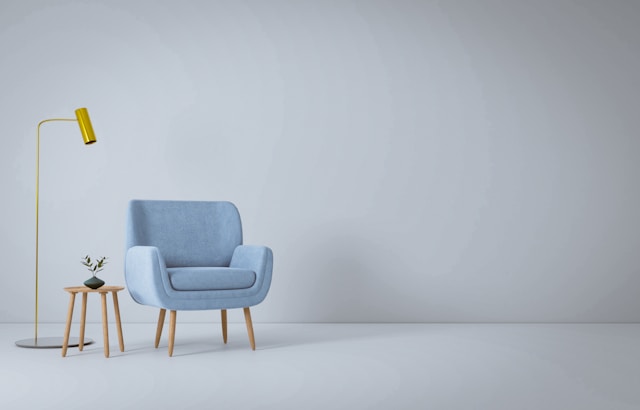
While many homeowners view these elements as separate decisions made near the end of construction, the most successful custom homes are designed with furniture and lighting in mind from the beginning. Together, they shape the way spaces are experienced, influence mood and comfort, and create the visual harmony that transforms a house into a home.
When furniture and lighting are planned as an integrated system rather than independent selections, the result is a cohesive living environment that balances beauty, functionality, and long-term livability.
In this article, we’ll explore why furniture and lighting should be designed together and how thoughtful planning creates a more comfortable, efficient, and visually unified custom home.
Why Furniture and Lighting Should Never Be Separate Decisions
Furniture determines how a room is used. Lighting determines how that room is experienced.
A beautifully furnished space can feel uncomfortable if lighting is poorly planned. Likewise, even the most sophisticated lighting design can fall short if furniture placement doesn’t support the way people live and move through a space.
When considered together, furniture and lighting work as complementary design systems that influence:
- Comfort and usability
- Visual balance
- Mood and atmosphere
- Traffic flow
- Functionality
- Overall design cohesion
The goal is not simply to fill rooms with attractive furnishings or install stylish light fixtures. The objective is to create spaces that feel intentional, comfortable, and perfectly suited to the homeowner’s lifestyle.
Creating a Cohesive Interior Environment
Great interior design is about more than individual pieces. It is about how every element works together to support the overall vision of the home.
Furniture and lighting play a central role in creating that experience.
What Is Design Cohesion?
Design cohesion occurs when all elements of a home feel connected and intentional.
This includes:
- Consistent architectural style
- Harmonized color palettes
- Coordinated materials and finishes
- Balanced furniture selections
- Complementary lighting design
Whether a home embraces a modern, traditional, transitional, or contemporary aesthetic, consistency throughout the space creates a sense of unity that enhances both appearance and functionality.
The Benefits of a Unified Design Approach
When furniture and lighting are selected together, homeowners benefit from:
- Better visual flow between rooms
- Improved functionality
- Stronger architectural character
- Enhanced comfort
- Increased long-term value
A cohesive home feels curated rather than assembled.
The Role of Furniture in Custom Home Design
Furniture is often the most personal element within a home.
It influences how people relax, entertain, work, dine, and interact with family members throughout the day.
Furniture Defines Function
Each room serves a specific purpose, and furniture helps determine how effectively that purpose is fulfilled.
Examples include:
- Sofas and sectionals for gathering spaces
- Dining tables for entertaining and family meals
- Beds and nightstands for comfort and rest
- Home office furniture for productivity
- Outdoor furnishings for extended living areas
The best furniture selections support both aesthetics and daily functionality.
Key Furniture Considerations
When selecting furnishings for a custom home, designers evaluate:
Scale and Proportion
Furniture should fit the size and architecture of the room.
Oversized furniture can overwhelm a space, while undersized pieces may make rooms feel empty or disconnected.
Comfort and Ergonomics
Beautiful furniture should also be comfortable and practical for everyday use.
Durability
Material selection should reflect lifestyle needs, especially in homes with children, pets, or frequent entertaining.
Style Compatibility
Furniture should complement the home’s architectural character and interior design vision.
Custom Furniture vs Standard Furniture
One of the advantages of custom home design is the ability to create furnishings that fit the home perfectly.
Benefits of Custom Furniture
Custom pieces offer:
- Tailored dimensions
- Unique materials
- Personalized design
- Better space utilization
Built-in cabinetry, shelving systems, and custom seating often create a more integrated appearance than standalone furniture.
Benefits of Standard Furniture
Standard furniture can also be an excellent option because it provides:
- Faster availability
- Wider product selection
- Lower upfront costs
- Greater flexibility
The ideal approach often combines custom elements with carefully selected furniture pieces.
The Power of Lighting Design
Lighting is one of the most influential components of interior design, yet it is frequently underestimated.
Beyond simple illumination, lighting affects:
- Mood
- Perception of space
- Color appearance
- Functionality
- Architectural emphasis
Proper lighting can make rooms feel larger, warmer, more inviting, and more visually dynamic.
Understanding the Different Layers of Lighting
Successful lighting design relies on layering multiple light sources throughout a space.
Ambient Lighting
Ambient lighting provides general illumination throughout a room.
Examples include:
- Recessed ceiling lights
- Flush-mount fixtures
- Ceiling-mounted LED systems
This forms the foundation of the lighting plan.
Task Lighting
Task lighting supports specific activities.
Examples include:
- Desk lamps
- Under-cabinet kitchen lighting
- Reading lights
- Vanity lighting
These fixtures improve usability and comfort.
Accent Lighting
Accent lighting highlights architectural details and focal points.
Examples include:
- Wall sconces
- Art lighting
- Track lighting
- LED niche lighting
Accent lighting adds depth and visual interest.
Decorative Lighting
Decorative fixtures serve as design features while also providing illumination.
Examples include:
- Chandeliers
- Pendant lights
- Statement fixtures
These elements often become focal points within the home.
Choosing the Right Lighting Fixtures
Every lighting fixture contributes to both function and aesthetics.
Popular fixture types include:
- Chandeliers
- Pendant lights
- Recessed lighting
- Wall sconces
- Floor lamps
- Table lamps
- LED strip lighting
Selecting the right fixture involves balancing design goals with practical performance requirements.
Important Fixture Considerations
Designers evaluate:
- Brightness (lumens)
- Energy efficiency
- Placement
- Scale
- Finish
- Color temperature
The right fixture should feel proportional to the room while supporting its intended use.
How Lighting Influences Furniture and Finishes
Lighting dramatically affects how colors, textures, and materials appear within a home.
Color Temperature Matters
Lighting is commonly categorized into three ranges:
Warm Lighting (2700K–3000K)
Creates a cozy, inviting atmosphere often preferred in living rooms, bedrooms, and residential spaces.
Neutral Lighting (3500K–4100K)
Offers a balanced appearance suitable for kitchens, hallways, and multifunctional areas.
Cool Lighting (5000K+)
Provides bright, task-oriented illumination commonly used in workspaces.
Impact on Interior Finishes
The same furniture can look dramatically different depending on the lighting environment.
Wood tones, paint colors, fabrics, and decorative finishes all respond differently under various light temperatures.
This is why furniture and lighting decisions should always be evaluated together.
The Importance of Spatial Planning
Furniture placement and lighting placement are closely connected.
Effective spatial planning considers:
- Traffic flow
- Room proportions
- Focal points
- Seating arrangements
- Lighting coverage
Poor coordination can result in:
- Dark corners
- Uncomfortable glare
- Visual imbalance
- Reduced functionality
The most successful custom homes integrate both elements early in the design process.
Coordinating Materials and Finishes
Consistency in materials creates a polished and sophisticated interior.
Furniture Materials
Common furniture materials include:
- Oak
- Walnut
- Maple
- Steel
- Brass
- Glass
- Leather
- Upholstered fabrics
Lighting Finishes
Popular fixture finishes include:
- Matte black
- Brushed nickel
- Polished chrome
- Brass
- Bronze
These finishes should complement furniture selections and architectural details throughout the home.
The goal is harmony—not exact matching.
Designing Around Lifestyle Needs
Every custom home should reflect the way its owners live.
Family-Focused Homes
Families often benefit from:
- Durable upholstery
- Stain-resistant fabrics
- Flexible furniture layouts
- Practical lighting controls
Entertaining Spaces
Homes designed for hosting may prioritize:
- Larger seating arrangements
- Statement lighting
- Layered illumination
- Flexible gathering areas
Home Offices
Remote work spaces require:
- Ergonomic furniture
- Task lighting
- Adjustable seating
- Efficient layouts
Luxury Living
High-end homes often incorporate:
- Custom furniture
- Bespoke lighting
- Premium materials
- Advanced automation systems
Smart Technology Enhances Comfort
Modern custom homes increasingly integrate technology into both furniture and lighting systems.
Smart Lighting Features
Popular options include:
- Automated schedules
- Dimming controls
- Voice activation
- Smartphone control
- Scene settings
Integrated Furniture Features
Furniture may also include:
- Hidden storage
- Built-in charging stations
- Adjustable components
- Technology integration
These features improve convenience while maintaining clean design aesthetics.
Common Design Mistakes to Avoid
Even beautiful homes can suffer from furniture and lighting mistakes.
Common issues include:
- Mismatched design styles
- Inadequate lighting layers
- Oversized fixtures
- Undersized furniture
- Poor traffic flow
- Excessive clutter
- Glare and shadow problems
Careful planning helps prevent costly adjustments later.
Why Turnkey Design Creates Better Results
When furniture and lighting selection are included within the overall design process, homeowners enjoy a more seamless experience.
Benefits include:
- Faster decision-making
- Better coordination
- Improved budget control
- Greater design consistency
- Reduced stress
Rather than making hundreds of disconnected choices, homeowners benefit from a comprehensive design strategy.
The Long-Term Value of Integrated Design
Furniture and lighting are not merely finishing touches. They are essential components of how a custom home functions and feels.
When designed together, they:
- Improve daily comfort
- Support lifestyle needs
- Enhance architectural features
- Increase visual cohesion
- Create lasting value
The result is a home that remains functional, beautiful, and enjoyable for years to come.
Final Thoughts
Furniture and lighting are among the most influential elements in custom home design. While each serves a unique purpose, their true impact comes from how they work together.
By considering furniture placement, lighting design, materials, finishes, scale, and lifestyle needs as part of one integrated strategy, homeowners can achieve a cohesive living environment that feels both beautiful and effortless.
The most successful custom homes are not created through isolated decisions. They are the result of thoughtful planning, where every detail contributes to a unified vision. When furniture and lighting are selected together from the beginning, the outcome is a home that not only looks exceptional but also enhances comfort, functionality, and everyday living.